 Climate & Environment · Boalemo, Indonesia
557 Then 172: Boalemo's Floods Keep Finding the Same Houses
Read insight →
A flash flood swept through three sub-districts in Boalemo, Gorontalo on June 18, displacing 486 people — the same villages BNPB recorded flooding fourteen months earlier. The water always recedes by nightfall. The reason it keeps returning has not.
June 2026 · Ummanitarian Insight
 Health & Displacement · Southern Lebanon
62 Casualties Before Noon: Inside Nabatiyeh's Hospitals Under Siege
Read insight →
On June 19, a single hospital in southern Lebanon took in 25 dead and 37 wounded within hours. It is one entry in a WHO tally of 147 documented attacks on Lebanese healthcare since March — and the doctors treating the wounded have not left the building in weeks.
June 2026 · Ummanitarian Insight
 Health & Displacement · Tanzania
Ten Years, 1.6 Million Patients, and a Camp That No Longer Exists
Read insight →
An international medical charity has wound down a decade of medical care in Tanzania's Nduta refugee camp, following the camp's shutdown by government order amid allegations that Burundian refugees were coerced into returning home.
June 2026 · Ummanitarian Insight
 Law & Politics · Global
510 to 1: The Iran War's Bill for Global Hunger
Read insight →
A ceasefire signed in Switzerland on June 19 ends 100 days of war between the US, Israel, and Iran. The hunger crisis it triggered — from Beirut to Mogadishu — doesn't end with it.
June 2026 · Ummanitarian Insight
 Disaster Response · West Aceh, Indonesia
130 Homes, 30 Hours: Aceh Barat's Flood and the Machinery Nobody Notices
Read insight →
A river overflowed in West Aceh on June 15, flooding 130 homes and displacing 300 people. By the next day the water had receded — but the response reveals how Indonesia's disaster system actually works most weeks.
June 2026 · Ummanitarian Insight
 Health & Displacement · Gaza
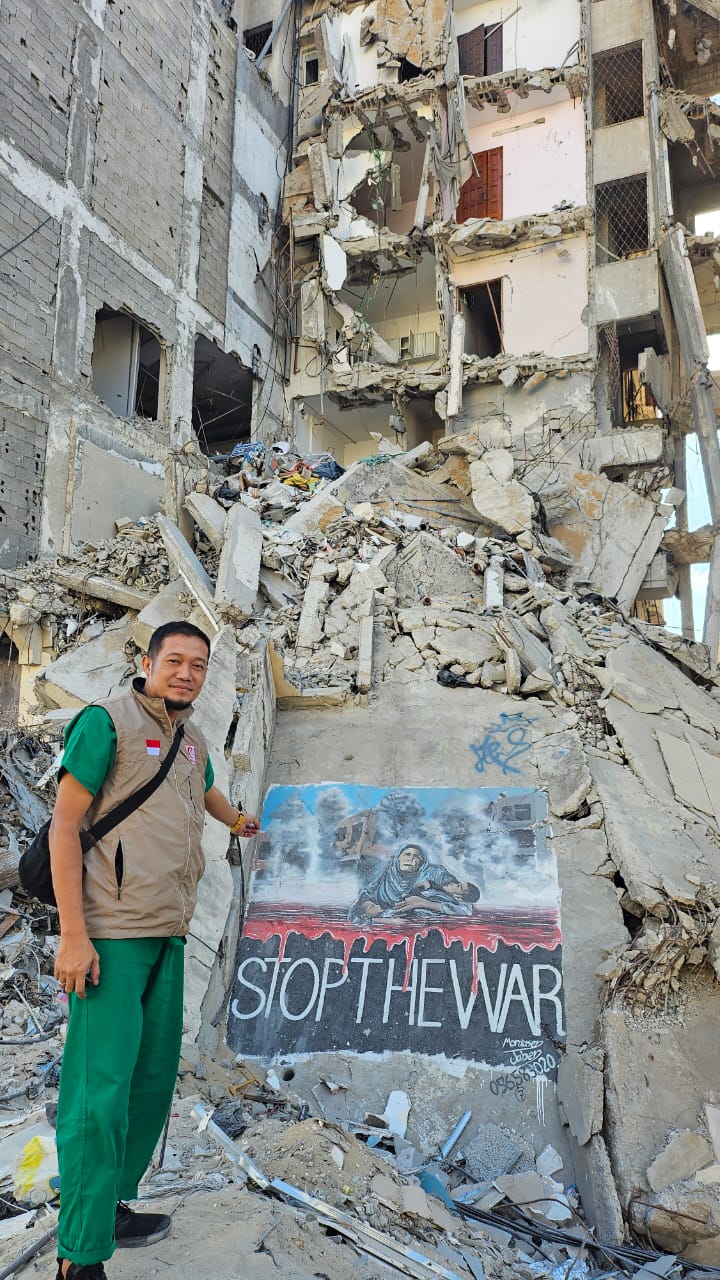
Gaza: While the World Counts the Dead, They Count Reasons to Keep Living
Read insight →
A guest essay by Kamal Putra Pratama, a humanitarian medical volunteer who has served in Gaza, on what resilience really means for a population the world mostly sees through casualty counts.
June 2026 · Kamal Putra Pratama
 Disaster Response · Central Sulawesi
After 703 Aftershocks: Inside Sigi's Emergency Response to Central Sulawesi's M6.7 Earthquake
Read insight →
A magnitude 6.7 earthquake struck Central Sulawesi on June 16, 2026, killing three and displacing more than 6,400 people, with 703 aftershocks still being recorded.
June 2026 · Ummanitarian Insight
 Health & Displacement · Yemen
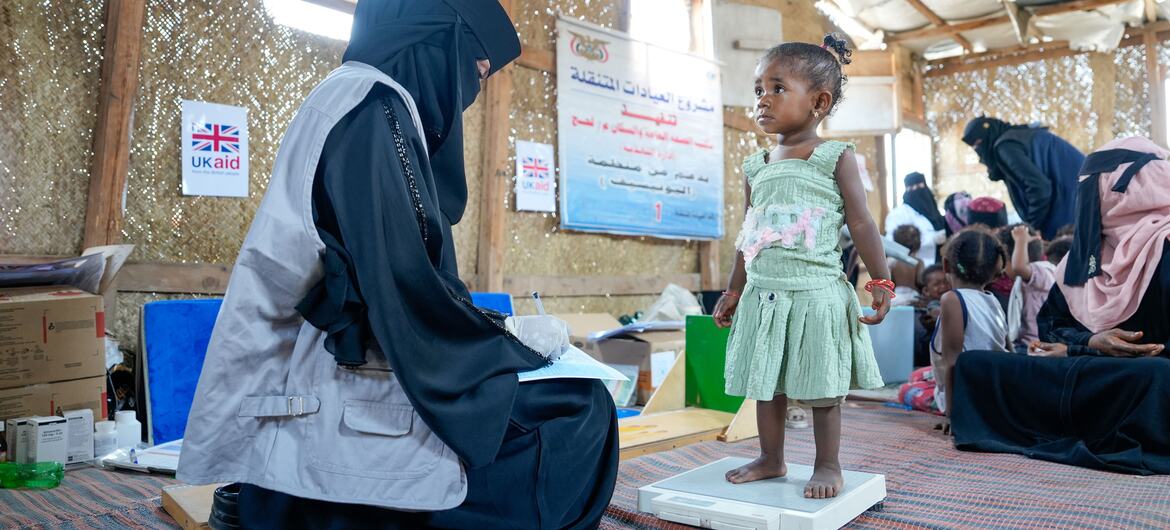
Fifteen Per Cent: Yemen's Hunger Crisis and the Aid That Never Arrived
Read insight →
More than 18 million Yemenis face acute hunger and the 2026 appeal is less than 15 percent funded. As the UN Security Council heard on June 16, every cut has a human cost.
June 2026 · Ummanitarian Insight
 Health & Displacement · Northeast Nigeria
Seven Thousand in Seven Weeks: Cholera's Rapid Rise in Northeast Nigeria
Read insight →
Since early May 2026, a rapidly escalating cholera outbreak has infected more than 7,850 people and killed 74 across 14 local government areas in Borno State — a health system dismantled by conflict and WASH infrastructure that was already failing.
June 2026 · Ummanitarian Insight
 Health & Displacement · DRC / Uganda
No Vaccine, No Playbook: Ebola Bundibugyo and the Limits of Outbreak Response
Read insight →
When WHO declared the DRC-Uganda Ebola outbreak a PHEIC in May 2026, responders faced a hard truth: for the Bundibugyo strain, there is no vaccine and no approved treatment. The response must rely on surveillance, isolation, and community trust.
June 2026 · Ummanitarian Insight
About Ummanitarian Insight
This publication shares perspectives from Ummanitarian's advisory network — practitioners, researchers, and policy thinkers working at the intersection of humanitarian action, public health, and disaster preparedness. Our aim is to make serious ideas readable, and field experience useful beyond the field.